
The Psychology of Themed Gifts: Why Specificity Wins
Hyper-specific themes feel more thoughtful, reduce decision stress, and make search easier under time pressure—especially for kids, coworkers, and parties.
1) Why “Pirate Duck” Feels More Thoughtful Than “Toy”
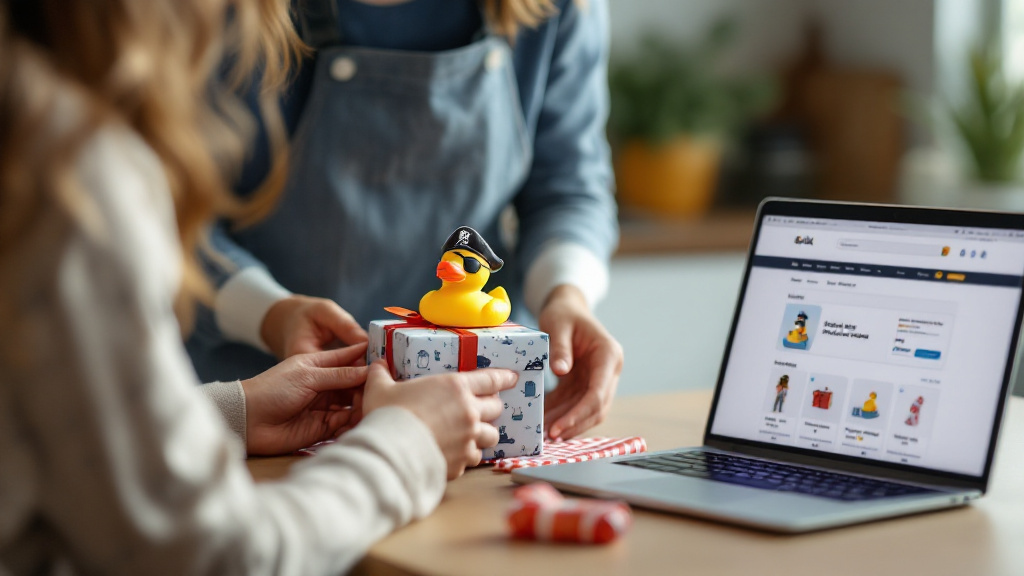
Themed gifts work because they signal recognition, not just spending. A “pirate duck” implies you noticed a child’s current obsession, a friend’s inside joke, or an office party’s vibe—making the gift feel curated. In consumer-psychology terms, specificity acts as a shortcut for intention: the more precise the match, the more the receiver attributes care to the giver. That’s why themed-products often outperform generic options even at similar prices.
Specificity also reduces social risk. For gift-buying, people aren’t only optimizing for utility; they’re minimizing the chance of looking inattentive. A clear theme (nurse, disco, pirate) gives the giver a defensible story: “I got this because it’s so you.” In ecommerce-discovery, this shows up as searches that start narrow (“disco duck,” “nurse rubber duck”) and stay narrow—especially when the buyer is shopping for kids’ birthdays, coworker swaps, or party favors. The theme becomes the decision anchor, and everything else (size, price, shipping speed) becomes a filter around it.
2) Time Pressure, Decision Shortcuts, and the “Good Enough” Threshold
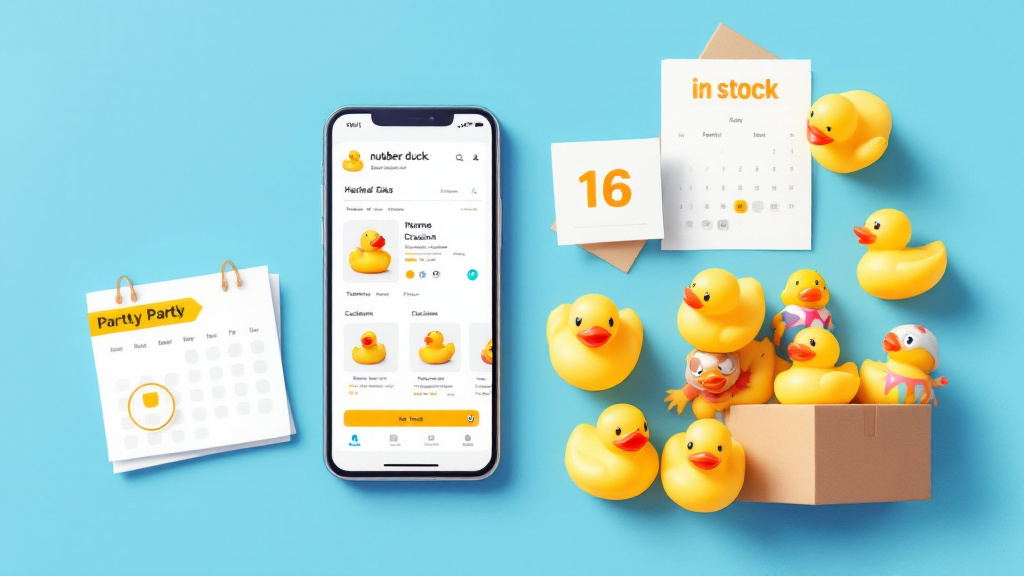
Under time pressure, shoppers rely on fast heuristics: “Does this match the theme?”, “Will it arrive on time?”, and “Is it reasonably priced?” That’s why specificity wins during last-minute gift-buying: it narrows the field and accelerates the “good enough” threshold. Instead of comparing dozens of generic gifts, the buyer compares a handful of on-theme options, then chooses the one with the best delivery promise and least hassle.
This is where ecommerce-discovery and fulfillment clarity matter. If shoppers can filter by occasion, color, size, and price—and immediately see availability—they avoid the mental tax of uncertainty. Bundles also reduce cognitive load: a pre-built party pack turns multiple decisions into one. For d2c brands like DuckDrop Commerce, inventory-aware bundles and bulk tiers align with how people actually shop for events: they want an answer, not an endless aisle. Add predictable shipping, tracking updates, and back-in-stock alerts, and you’re not just selling themed-products—you’re selling relief from regret (“I hope this shows up” / “I hope I bought enough”).
3) Reducing Regret: How to Make Themed Gifts Feel “Certain”
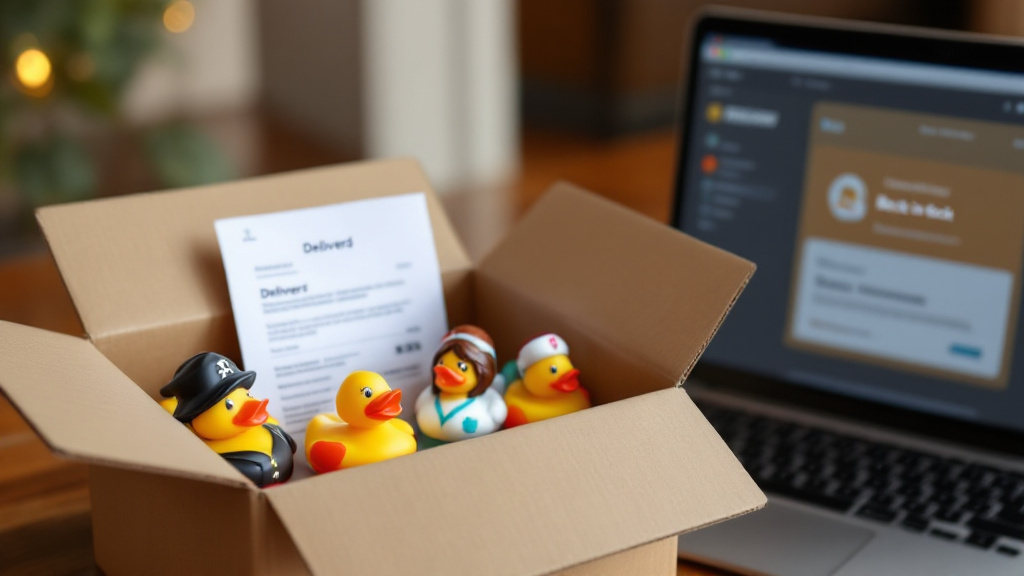
Post-purchase regret often comes from ambiguity: unclear sizing, uncertain arrival, or the fear that the gift isn’t “right.” The antidote is confidence cues—details that make the decision feel safe. In consumer-psychology, people seek evidence that their choice will be socially validated: reviews that mention the occasion (“perfect for a pirate party”), photos that show scale, and straightforward bundle counts for bulk needs.
Practical design choices can lower regret while boosting repeat sales. Use plain-language naming (“Pirate Duck Party Pack: 12-count”), show inventory and delivery estimates upfront, and offer easy exchanges. Automated tracking notifications reduce anxious checking; back-in-stock emails turn missed seasonal drops into a second purchase moment. For gift-buying and themed-products, these cues matter as much as the product itself—because the buyer’s real goal is a smooth moment of giving.
For collectibles and event planners especially, the winning formula is: fast discovery, dependable fulfillment, and bundles that match real use cases. When specificity is paired with certainty, shoppers don’t just buy once—they come back for the next theme.